


Introduction:
The ketogenic diet has gained significant popularity as a low-carbohydrate, high-fat dietary approach that promotes weight loss and improved metabolic health. By drastically reducing carbohydrate intake and replacing it with fat, the body enters a state of ketosis, where it becomes highly efficient at burning fat for energy. However, adhering to this dietary regimen can be challenging, especially when it comes to snacking. Understanding what constitutes keto-friendly snacks is crucial for maintaining ketosis while satisfying hunger and cravings. This article explores the essentials of the ketogenic diet, key nutritional components of keto snacks, and practical tips for creating and evaluating low-carb snack options.
Understanding the Ketogenic Diet and Its Nutritional Needs
The ketogenic diet primarily focuses on drastically reducing carbohydrate intake while increasing fat consumption to shift the body’s metabolism. Typically, a standard ketogenic diet consists of approximately 70-75% fat, 20-25% protein, and only 5-10% carbohydrates. This macronutrient distribution is essential for achieving and maintaining ketosis, where the body utilizes ketones derived from fat as its primary energy source instead of glucose from carbohydrates.
For individuals following a ketogenic lifestyle, understanding the nutritional needs is critical. Carbohydrates are limited to around 20-50 grams per day, which necessitates careful planning of meals and snacks. This restriction can lead to nutrient deficiencies if not managed properly, making it vital to focus on nutrient-dense foods that provide essential vitamins and minerals while adhering to the low-carb guideline.
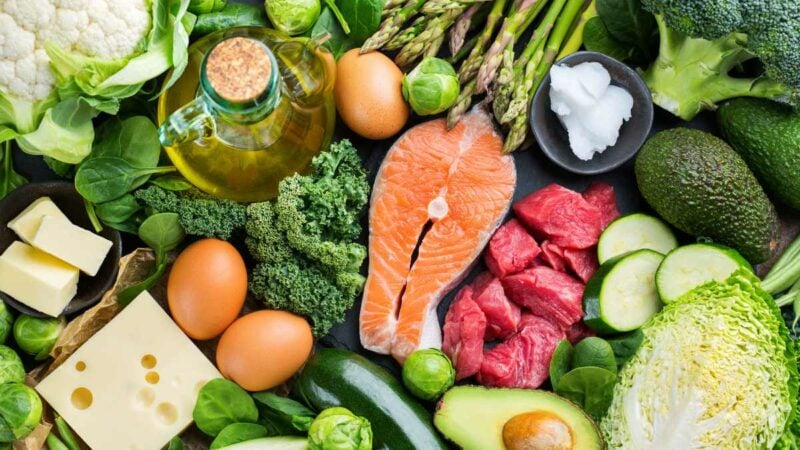
Moreover, the ketogenic diet encourages the consumption of whole, unprocessed foods, which are rich in healthy fats, such as avocados, nuts, seeds, and olive oil. These foods not only provide energy but also contribute to satiety, making it easier to resist high-carb temptations. By prioritizing these nutrient-rich options, individuals can meet their dietary needs while enjoying a variety of flavors and textures.
Lastly, hydration and electrolyte balance are crucial components of the ketogenic diet. As the body adapts to burning fat for fuel, it tends to excrete more water and electrolytes, which can lead to symptoms often referred to as the "keto flu." Ensuring adequate intake of electrolytes such as sodium, potassium, and magnesium is essential for maintaining energy levels and overall well-being.
Key Nutritional Components of Keto-Friendly Snacks
When selecting or preparing snacks for a ketogenic diet, it’s essential to focus on specific nutritional components that align with the diet’s principles. Low carbohydrate content is the most critical factor; snacks should ideally contain fewer than 5 grams of net carbs per serving. This helps to maintain ketosis and prevents blood sugar spikes that can disrupt metabolic balance.
Healthy fats are another vital component of keto snacks. Incorporating sources of monounsaturated and polyunsaturated fats, such as avocados, nuts, and seeds, can enhance the nutritional profile of snacks while providing sustained energy. These fats also contribute to feelings of fullness, helping to curb hunger between meals.
High-quality protein is also important in keto-friendly snacks. While protein intake should be moderate on a ketogenic diet, incorporating protein-rich snacks can help preserve muscle mass and promote satiety. Options such as cheese, Greek yogurt, and jerky can provide a satisfying protein boost without exceeding carbohydrate limits.
Lastly, fiber plays a crucial role in digestive health, especially on a low-carb diet. Incorporating fiber-rich foods such as non-starchy vegetables, chia seeds, and nuts can help maintain regular bowel movements and prevent constipation, which can be a concern for those on a ketogenic diet.
Top Low-Carb Snack Options for Keto Enthusiasts
For those adhering to a ketogenic lifestyle, a variety of low-carb snack options can help satisfy cravings without derailing dietary goals. Nuts and seeds are excellent choices, as they are nutrient-dense and provide healthy fats. Almonds, walnuts, and pumpkin seeds are particularly popular due to their low carb content and high levels of omega-3 fatty acids.
Cheese is another versatile and satisfying snack that fits well within the ketogenic framework. Cheese varieties such as cheddar, mozzarella, and cream cheese are low in carbohydrates and high in fat, making them ideal for snacking. Pairing cheese with olives or sliced cucumbers can create a delicious and filling combination.
Hard-boiled eggs are a convenient and protein-rich snack that is easy to prepare and transport. They are low in carbs and high in healthy fats, making them a perfect option for on-the-go snacking. Additionally, they can be seasoned with salt, pepper, or even hot sauce for added flavor.
Lastly, vegetable sticks paired with high-fat dips such as guacamole or ranch dressing can provide a refreshing and crunchy snack. Non-starchy vegetables like celery, bell peppers, and radishes are low in carbohydrates and can be enjoyed without guilt, especially when dipped in nutrient-dense sauces.
Nutrient-Dense Ingredients to Include in Keto Snacks
Incorporating nutrient-dense ingredients into keto snacks is essential for maximizing health benefits while adhering to the diet. Avocados are a powerhouse of healthy fats, fiber, and various vitamins and minerals. They can be enjoyed on their own, mashed into dips, or added to smoothies for a creamy texture.
Coconut products are also excellent additions to keto snacks. Coconut oil, coconut flour, and unsweetened shredded coconut are all low in carbs and high in healthy fats. They can be used in baking or as toppings for yogurt and desserts, providing a tropical flavor while keeping carb counts low.
Dark chocolate (with a cocoa content of 70% or higher) can be a satisfying treat when consumed in moderation. It is low in sugar and rich in antioxidants, making it a guilt-free indulgence for those on a ketogenic diet. Pairing dark chocolate with nuts or seeds can create a delicious and nutritious snack.
Finally, nut butters such as almond butter or macadamia nut butter can enhance the flavor and nutritional profile of snacks. These butters are rich in healthy fats and can be spread on celery sticks or used as a dip for low-carb fruits like berries.
Practical Tips for Preparing Keto Snack Foods at Home
Preparing keto snacks at home allows for greater control over ingredients and portion sizes. One practical tip is to batch cook snacks in advance. Preparing items like hard-boiled eggs, cheese cubes, or veggie sticks in bulk can save time and ensure that healthy options are readily available when hunger strikes.
Another useful strategy is to experiment with flavors and textures. Incorporating herbs, spices, and seasonings can elevate the taste of simple snacks. For example, seasoning nuts with garlic powder or paprika can add a savory twist, while cinnamon can enhance the flavor of nut butters.
Portion control is also crucial when preparing snacks at home. Using small containers or snack bags can help manage serving sizes and prevent overeating. This is especially important for calorie-dense foods like nuts and cheese, where it’s easy to consume more than intended.
Lastly, consider investing in kitchen tools that simplify snack preparation. A food processor can be invaluable for making dips, while silicone molds can help create low-carb treats like fat bombs or keto-friendly desserts. Having the right tools can make the process more enjoyable and efficient.
Evaluating Store-Bought Snacks for Keto Compliance
When it comes to store-bought snacks, evaluating their keto compliance requires careful scrutiny of labels. The first step is to check the nutrition facts for total carbohydrates and dietary fiber. The net carbs (total carbs minus fiber) should ideally be below 5 grams per serving to fit within the ketogenic guidelines.
Next, it’s essential to examine the ingredient list. Look for snacks made with whole, natural ingredients and avoid those containing added sugars, artificial sweeteners, or high-carb fillers. Ingredients like wheat flour, corn syrup, and maltodextrin should be red flags, as they can significantly increase the carb content.
Protein bars and similar products can be tempting but often contain hidden sugars and high carb counts. Opt for bars specifically labeled as keto-friendly, and always verify their nutritional information to ensure they align with your dietary goals.
Lastly, consider the serving size when evaluating snacks. Some products may appear low in carbs per serving but contain multiple servings per package. Understanding the actual carb content based on your portion size is crucial for maintaining ketosis.
Conclusions:
Navigating the world of snacks while adhering to a ketogenic diet can be challenging, but with the right knowledge and preparation, it is entirely feasible. By focusing on low-carb, high-fat, and nutrient-dense options, individuals can enjoy a variety of satisfying snacks that support their dietary goals. Whether preparing snacks at home or evaluating store-bought options, understanding the nutritional components and being mindful of ingredients will help maintain a successful ketogenic lifestyle.
Read more:
- Keto Diet Basics – A comprehensive overview of the ketogenic diet, its benefits, and potential drawbacks.
- Keto Snacks: What to Eat – A detailed list of keto-friendly snacks and tips for incorporating them into your diet.
- Understanding Net Carbs – An informative article explaining the concept of net carbs and how to calculate them.
- Healthy Fats on a Keto Diet – An exploration of healthy fats that are beneficial for those following a ketogenic diet.
- Keto-Friendly Snack Recipes – A collection of easy and delicious keto snack recipes to try at home.