


Introduction:
The ketogenic diet, characterized by high fat and low carbohydrate intake, has gained immense popularity for its potential benefits in weight loss and metabolic health. Among the various food options available, eggs stand out as a staple for many individuals following this dietary approach. They are not only versatile and easy to prepare but also packed with essential nutrients. However, a common question arises: how many eggs should one consume for breakfast on a keto diet? This article delves into the role of eggs in a ketogenic lifestyle, their nutritional composition, recommended intake, and practical tips for incorporating them into your morning routine.
Understanding the Role of Eggs in a Keto Diet
Eggs play a crucial role in a ketogenic diet due to their high-fat content and low carbohydrate levels. They are an excellent source of protein, which is essential for muscle maintenance and overall health. The ketogenic diet emphasizes the importance of healthy fats, and eggs provide a perfect balance of fats and proteins, making them an ideal breakfast choice. Furthermore, they are rich in vitamins and minerals, contributing to overall nutrient intake.
In addition to their nutritional benefits, eggs are also known for their satiating properties. Including eggs in breakfast can help control hunger and reduce cravings throughout the day, which is particularly beneficial for those aiming to maintain a caloric deficit. This can lead to better adherence to the ketogenic diet, as individuals may find it easier to resist high-carb snacks and meals.
Moreover, eggs are incredibly versatile. They can be prepared in various ways—boiled, scrambled, poached, or made into an omelet—allowing for creativity in meal preparation. This versatility makes it easier for individuals to incorporate them into their daily routines without feeling bored or restricted.
Lastly, eggs are relatively affordable compared to other protein sources, making them accessible for a wide range of individuals. This economic factor, combined with their nutritional benefits, solidifies eggs as a cornerstone of the ketogenic diet.
Nutritional Composition of Eggs: A Detailed Analysis
The nutritional composition of eggs is impressive, especially for those following a ketogenic diet. A large egg typically contains about 6 grams of protein, 5 grams of fat, and less than 1 gram of carbohydrates. This macronutrient profile aligns perfectly with the goals of a keto diet, where the focus is on high fat and low carbohydrate intake.
In addition to macronutrients, eggs are a rich source of essential vitamins and minerals. They contain significant amounts of vitamin B12, riboflavin, and selenium, all of which play vital roles in energy metabolism and immune function. Furthermore, eggs are one of the few food sources of vitamin D, which is crucial for bone health and immune support.
Eggs also contain choline, an essential nutrient that supports brain health and development. Choline is often overlooked in dietary discussions, yet it is critical for neurotransmitter function and cellular membrane integrity. For individuals on a ketogenic diet, ensuring adequate choline intake is particularly important, as it may help mitigate some of the cognitive effects associated with low carbohydrate consumption.
Finally, the fat content in eggs is predominantly healthy unsaturated fat, including omega-3 fatty acids in eggs from pasture-raised chickens. These fats are beneficial for heart health and can help reduce inflammation in the body, aligning with the anti-inflammatory benefits often associated with a ketogenic lifestyle.
Recommended Daily Egg Intake for Ketogenic Dieters
While there is no one-size-fits-all answer to how many eggs one should consume, many nutritionists suggest that incorporating 2 to 4 eggs into breakfast is a reasonable guideline for those on a ketogenic diet. This range allows individuals to benefit from the high protein and fat content of eggs while still maintaining a low carbohydrate intake.
For individuals who are highly active or looking to build muscle, consuming more eggs may be beneficial. In such cases, 4 to 6 eggs per day can be appropriate, provided that overall caloric intake and macronutrient ratios are balanced. It is essential to listen to your body and adjust your intake based on energy levels, satiety, and overall dietary goals.
However, it’s important to note that some individuals may have concerns about cholesterol intake. While eggs are high in dietary cholesterol, recent studies indicate that for most people, dietary cholesterol does not significantly impact blood cholesterol levels. Nevertheless, those with specific health conditions should consult with a healthcare provider for personalized advice.
Ultimately, the key is to incorporate eggs as part of a balanced meal plan that includes a variety of other nutrient-dense foods. This ensures that individuals receive all the necessary vitamins and minerals while adhering to the principles of the ketogenic diet.
Factors Influencing Egg Consumption on a Keto Plan
Several factors can influence how many eggs one might consume on a ketogenic diet. Personal health goals, activity levels, and individual responses to dietary changes all play a role in determining the appropriate intake. For example, individuals aiming for weight loss may choose to limit their egg consumption to maintain a caloric deficit, while those looking to gain muscle may increase their intake to support their protein needs.
Additionally, dietary preferences and restrictions can impact egg consumption. For instance, some individuals may follow a vegetarian or vegan diet, which would exclude eggs entirely. In such cases, alternative protein sources must be identified to ensure adequate nutrient intake while adhering to the principles of a ketogenic diet.
Moreover, the quality of eggs can also influence consumption. Organic, pasture-raised eggs tend to have a higher nutrient profile compared to conventional eggs. These eggs often contain more omega-3 fatty acids and vitamin D, making them a more desirable choice for those prioritizing health and nutrition.
Finally, cultural and culinary practices can affect egg consumption. In some cultures, eggs are a breakfast staple, while in others, they may not be as commonly consumed. Understanding these factors can help individuals tailor their egg intake to fit their lifestyle while still adhering to the ketogenic diet.
Balancing Macronutrients: Eggs and Your Keto Goals
To achieve success on a ketogenic diet, it’s essential to balance macronutrient intake effectively. Eggs can play a significant role in this balance due to their unique nutritional profile. With their high-fat and moderate-protein content, they can help individuals meet their daily fat requirements while keeping carbohydrate intake low.
When planning meals, individuals should consider the overall macronutrient distribution. For example, if breakfast consists of eggs, it may be beneficial to pair them with low-carb vegetables, such as spinach or bell peppers, to increase fiber intake without significantly raising carbohydrate levels. This combination can enhance satiety and provide additional vitamins and minerals.
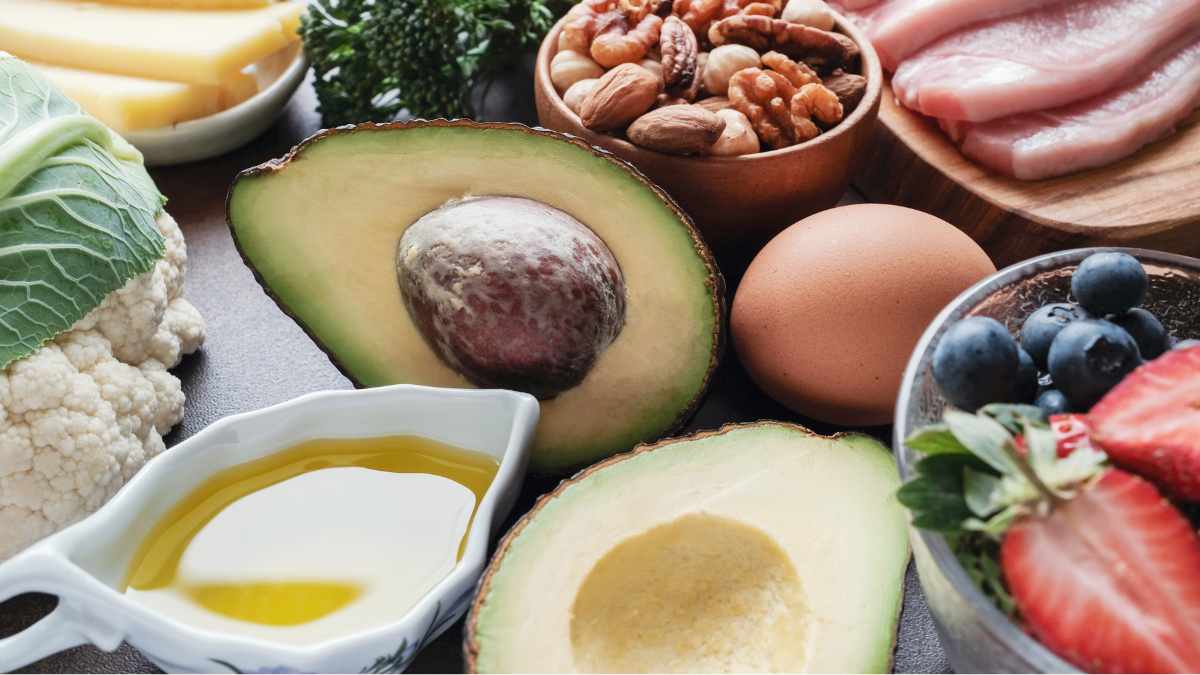
Furthermore, incorporating healthy fats from sources like avocado, olive oil, or cheese can complement the fat content of eggs, ensuring that individuals meet their daily fat goals. This approach not only supports the ketogenic diet’s principles but also enhances the flavor and variety of meals.
Monitoring macronutrient intake through food tracking apps can also be helpful for those new to the ketogenic diet. This practice allows individuals to understand how eggs fit into their overall dietary plan and make adjustments as needed to stay within their targeted macronutrient ratios.
Practical Tips for Incorporating Eggs into Breakfast
Incorporating eggs into breakfast can be both simple and enjoyable. One of the easiest ways to prepare eggs is by scrambling them with a variety of low-carb vegetables and herbs. This not only adds flavor but also boosts the nutritional content of the meal. For added richness, consider cooking eggs in healthy fats like butter or coconut oil.
Another popular method is making omelets or frittatas, which can be prepared in advance and stored for quick breakfasts throughout the week. Adding cheese, meats, or vegetables can create a satisfying and filling meal that aligns with keto principles. These dishes can also be customized to suit personal tastes and preferences.
For those pressed for time, hard-boiled eggs are an excellent grab-and-go option. They can be prepared in bulk and stored in the refrigerator for a quick breakfast or snack. Pairing hard-boiled eggs with a small serving of avocado or a handful of nuts can create a balanced meal that is easy to prepare.
Finally, experimenting with egg-based recipes, such as egg muffins or breakfast casseroles, can add variety to your morning routine. These dishes can be made in advance and provide a convenient way to enjoy a keto-friendly breakfast without the hassle of daily cooking.
Conclusions:
Eggs are a nutritional powerhouse that can play a vital role in a ketogenic diet. Their high-fat, low-carb profile, combined with essential vitamins and minerals, makes them an ideal choice for breakfast. By understanding the recommended intake, factors influencing consumption, and practical tips for incorporation, individuals can effectively utilize eggs to support their keto goals. Ultimately, the key lies in balancing macronutrients and personalizing dietary choices to achieve optimal health and wellness.
Read more
- The Ketogenic Diet: A Detailed Beginner’s Guide to Keto – An extensive overview of the ketogenic diet, its benefits, and how to get started.
- Nutritional Composition of Eggs – A comprehensive database providing detailed nutritional information about eggs and other foods.
- Understanding Dietary Cholesterol and Heart Health – Insights into the relationship between dietary cholesterol and heart health.
- The Health Benefits of Eggs – A research article discussing the various health benefits associated with egg consumption.
- How to Incorporate Eggs into a Healthy Diet – Tips and strategies for including eggs in a balanced diet.