

Introduction:
The ketogenic diet, often referred to as keto, has gained immense popularity for its potential to promote weight loss and improve metabolic health. This high-fat, low-carbohydrate diet encourages the body to enter a state of ketosis, where it burns fat for fuel instead of carbohydrates. As individuals embark on their keto journey, they often face the challenge of adapting their favorite meals to fit within the strict carbohydrate limits of the diet. One common question that arises is whether noodles, a staple in many cuisines, can be incorporated into a ketogenic lifestyle. This article delves into the principles of the keto diet, the role of carbohydrates, the carbohydrate content of various noodle types, alternative options, and strategies for enjoying noodles while adhering to keto guidelines.
Understanding the Keto Diet: Key Principles and Goals
The ketogenic diet primarily focuses on drastically reducing carbohydrate intake while increasing fat consumption. This macronutrient shift aims to induce a metabolic state known as ketosis, where the body becomes efficient at burning fat for energy. The typical macronutrient ratio for a ketogenic diet is approximately 70-75% fat, 20-25% protein, and only about 5-10% carbohydrates. This significant reduction in carbs forces the body to utilize fat stores, leading to weight loss and improved energy levels.
One of the primary goals of the keto diet is to stabilize blood sugar levels and improve insulin sensitivity. By minimizing carbohydrate intake, individuals can avoid the spikes and crashes in blood sugar that often accompany a high-carb diet. This stability can lead to reduced cravings and a more consistent energy supply throughout the day. Additionally, many followers of the keto diet report enhanced mental clarity and focus, attributed to the brain’s preference for ketones over glucose as a fuel source.
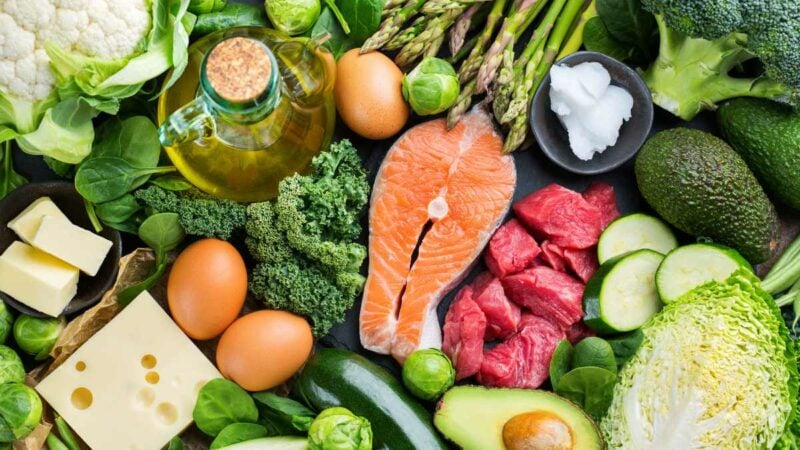
Another key principle of the ketogenic diet is the importance of whole, nutrient-dense foods. While processed foods high in fat may seem appealing, they often contain hidden sugars and unhealthy additives that can hinder ketosis. Therefore, it is essential to prioritize whole foods such as avocados, nuts, seeds, and fatty fish while minimizing processed options. This focus on quality nutrition not only supports weight loss but also promotes overall health and well-being.
Lastly, the keto diet is not a one-size-fits-all approach. Individual responses to the diet can vary significantly based on factors such as genetics, activity level, and metabolic health. Therefore, it is crucial for those considering the keto lifestyle to monitor their progress and adjust their macronutrient ratios as needed to achieve their personal health goals.
The Role of Carbohydrates in a Ketogenic Diet
Carbohydrates are the body’s primary source of energy, but their role in a ketogenic diet is fundamentally altered. In a standard diet, carbohydrates are broken down into glucose, which fuels cellular functions. However, in a ketogenic diet, the goal is to limit carbohydrate intake to a level that forces the body to seek alternative energy sources, primarily fat. This metabolic shift is what makes the keto diet unique and effective for many individuals.
The recommended daily carbohydrate intake on a ketogenic diet typically ranges from 20 to 50 grams, depending on individual factors. This restriction means that many traditional carbohydrate-rich foods, such as bread, pasta, and rice, are largely eliminated. Instead, the focus shifts to low-carb vegetables, nuts, seeds, and dairy products that provide essential nutrients without exceeding carbohydrate limits.
Understanding the impact of carbohydrates on blood sugar levels is also crucial. When carbohydrates are consumed, they can cause spikes in blood sugar, leading to increased insulin production. This can create a cycle of cravings and energy crashes, making it challenging to maintain a healthy weight. By minimizing carbohydrate intake, individuals can achieve better blood sugar control and reduce the risk of developing insulin resistance and related health issues.
Ultimately, while carbohydrates play a vital role in the diet, their consumption must be carefully managed within the context of a ketogenic lifestyle. This careful management allows individuals to reap the benefits of ketosis, including weight loss, improved energy levels, and enhanced mental clarity.
Analyzing Noodle Types: Carb Content and Nutritional Value
When it comes to traditional noodles, most varieties are made from wheat flour, rice, or other high-carb ingredients. For instance, a standard serving of spaghetti contains around 40 grams of carbohydrates, making it unsuitable for a ketogenic diet. Similarly, other popular noodle types, such as ramen and udon, also fall into the high-carb category, which can quickly exceed the daily carbohydrate limit for those following keto.
However, not all noodles are created equal. Some noodles, particularly those made from alternative ingredients, can offer lower carbohydrate options. For example, shirataki noodles, made from the konjac yam, are virtually calorie-free and contain minimal carbohydrates, making them a popular choice for those on a keto diet. These noodles have a unique texture and can absorb flavors well, making them versatile for various dishes.
Another option is zucchini noodles, or "zoodles," which are made by spiralizing fresh zucchini. Zoodles are low in carbohydrates and calories while providing essential vitamins and minerals. They can be used as a base for sauces, stir-fries, or salads, allowing for a satisfying noodle-like experience without the carb load.
Additionally, there are other innovative noodle alternatives made from ingredients such as almond flour, coconut flour, or even egg-based noodles. These options typically have a significantly lower carbohydrate content compared to traditional noodles and can be incorporated into various recipes while maintaining a keto-friendly profile.
Alternative Noodle Options for Keto-Friendly Meals
As the demand for low-carb alternatives continues to rise, a variety of noodle substitutes have emerged that cater to those following a ketogenic diet. One of the most popular options is shirataki noodles, which are made from the konjac plant. These noodles are extremely low in calories and carbohydrates, making them an excellent choice for keto enthusiasts. They are often sold in a liquid form and require rinsing before use. Their neutral flavor allows them to absorb the taste of sauces and seasonings, making them a versatile addition to many dishes.
Another fantastic alternative is zoodle or zucchini noodles. By spiralizing fresh zucchini, you can create a low-carb noodle substitute that is not only nutritious but also adds a fresh flavor to your meals. Zoodles can be sautéed, served raw, or incorporated into soups and salads, providing a satisfying texture without the carbohydrate content of traditional noodles.
Spaghetti squash is another popular option for those looking to enjoy a noodle-like experience on a keto diet. When cooked, the flesh of spaghetti squash separates into strands that resemble spaghetti. This vegetable is low in carbohydrates and offers a unique flavor profile, making it an excellent base for various sauces and toppings.
For those who prefer a more traditional noodle experience, egg noodles made from almond flour or coconut flour can be a great option. These low-carb noodles can be prepared similarly to regular pasta and can be used in a variety of dishes, from casseroles to stir-fries. They provide a satisfying chewiness while keeping carbohydrate intake in check.
Strategies for Incorporating Noodles into a Keto Plan
Incorporating noodles into a ketogenic diet requires a thoughtful approach to ensure that carbohydrate limits are maintained while still enjoying the flavors and textures of noodle dishes. One effective strategy is to experiment with various low-carb noodle alternatives. By trying different options such as shirataki noodles, zoodles, or spaghetti squash, individuals can find the substitutes that best suit their taste preferences and cooking styles.
Another helpful strategy is to focus on portion control. Even when using low-carb noodles, it’s essential to be mindful of serving sizes. For instance, when preparing a dish with shirataki noodles, combining them with plenty of non-starchy vegetables and a protein source can create a satisfying meal that is still within keto guidelines. This approach not only enhances the nutritional value of the meal but also helps to keep carbohydrate intake in check.
Incorporating flavorful sauces and toppings can also elevate low-carb noodle dishes. By using rich, creamy sauces made from cheese, heavy cream, or avocado, individuals can create indulgent meals that satisfy cravings without compromising their dietary goals. Additionally, adding herbs and spices can enhance the flavor profile of dishes, making them more enjoyable.
Lastly, meal prepping can be a valuable tool for those following a ketogenic diet. By preparing low-carb noodle dishes in advance, individuals can have quick and convenient meals ready to go, reducing the temptation to reach for high-carb options when hunger strikes. This proactive approach can help maintain adherence to the keto lifestyle while still enjoying the pleasures of noodle-based meals.
Conclusions:
In conclusion, while traditional noodles are generally not compatible with a ketogenic diet due to their high carbohydrate content, there are numerous alternatives available that can satisfy noodle cravings without derailing your dietary goals. By understanding the principles of the keto diet and the role of carbohydrates, individuals can make informed choices about noodle consumption. Embracing low-carb substitutes like shirataki noodles, zoodles, and spaghetti squash allows for a diverse and enjoyable meal plan while adhering to ketogenic guidelines. With careful planning and creativity, it is indeed possible to enjoy noodle dishes within a keto framework.
Read more
- Keto Diet Basics – This article provides an overview of the ketogenic diet, including its principles and benefits.
- Understanding Carbohydrates – A comprehensive look at carbohydrates, their role in the diet, and how they affect blood sugar levels.
- Shirataki Noodles: What You Need to Know – Detailed information on shirataki noodles, including their nutritional profile and cooking tips.
- Zucchini Noodles: A Low-Carb Alternative – A guide to making and using zucchini noodles in various recipes.
- Meal Prep for Keto – Tips and strategies for meal prepping on a ketogenic diet, including low-carb noodle dishes.