

Introduction:
The ketogenic diet, commonly referred to as keto, has gained immense popularity for its potential to promote weight loss and improve metabolic health. This high-fat, low-carbohydrate dietary approach encourages the body to enter a state of ketosis, where it burns fat for fuel instead of carbohydrates. One common question among keto enthusiasts is whether tortillas can fit into this dietary framework. This article will delve into the nutritional aspects of traditional tortillas, explore low-carb alternatives, and provide practical tips for incorporating tortillas into a keto lifestyle.
Understanding the Keto Diet: Key Principles Explained
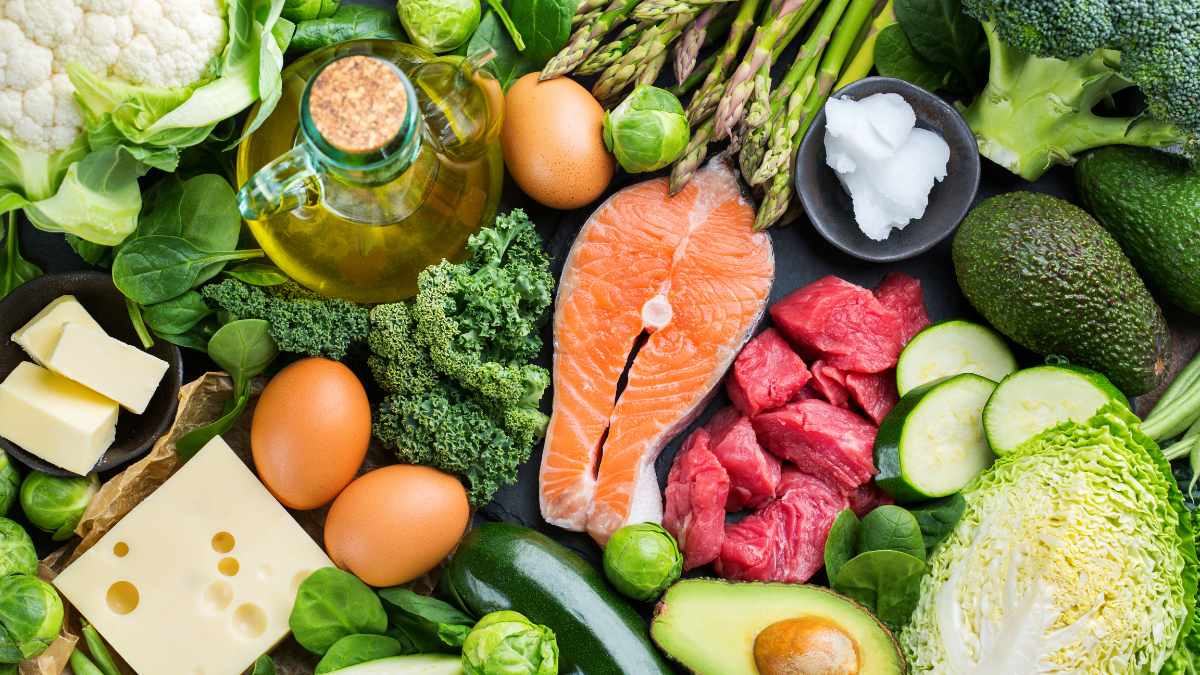
The ketogenic diet is fundamentally centered around drastically reducing carbohydrate intake while increasing fat consumption. This macronutrient shift forces the body to rely on fat stores for energy, leading to the production of ketones. Achieving and maintaining ketosis is the primary goal of this diet, which typically involves consuming about 70-80% of daily calories from fats, 15-25% from proteins, and only 5-10% from carbohydrates.
One of the critical principles of the keto diet is the concept of net carbs, which refers to the total carbohydrates in a food minus its fiber content. This distinction is essential because fiber does not significantly impact blood sugar levels and is often considered a non-digestible carbohydrate. Consequently, many keto dieters focus on foods that are low in net carbs to maintain their state of ketosis.
Additionally, the keto diet emphasizes the consumption of whole, unprocessed foods, which can provide essential nutrients while minimizing the intake of sugar and refined carbohydrates. Understanding these principles is crucial for anyone considering the inclusion of tortillas in their meal planning.
Finally, the keto diet can vary significantly from person to person, depending on individual health goals, metabolic responses, and lifestyle choices. Therefore, it is essential to evaluate each food’s compatibility with one’s specific dietary needs, including tortillas.
Nutritional Composition of Traditional Tortillas Analyzed
Traditional tortillas, particularly those made from wheat or corn, are staples in many diets worldwide. However, they are also notoriously high in carbohydrates. A standard 10-inch flour tortilla can contain around 30-40 grams of carbohydrates, making it challenging for those adhering to a strict keto regimen to incorporate them without exceeding their daily carb limits.
In addition to their high carbohydrate content, traditional tortillas often lack significant amounts of protein and healthy fats, which are crucial components of the keto diet. While they may provide some essential nutrients, such as B vitamins and minerals, the overall nutritional profile does not align well with keto principles.
Moreover, the glycemic index of traditional tortillas can lead to spikes in blood sugar levels, further complicating their compatibility with a ketogenic lifestyle. Understanding these nutritional factors is vital for making informed dietary choices.
Lastly, the presence of gluten in flour tortillas can also be a concern for those with gluten sensitivities or celiac disease. Corn tortillas, while gluten-free, still present a high carbohydrate content that may not be suitable for those strictly adhering to keto guidelines.
Evaluating Low-Carb Tortilla Options for Keto Dieters
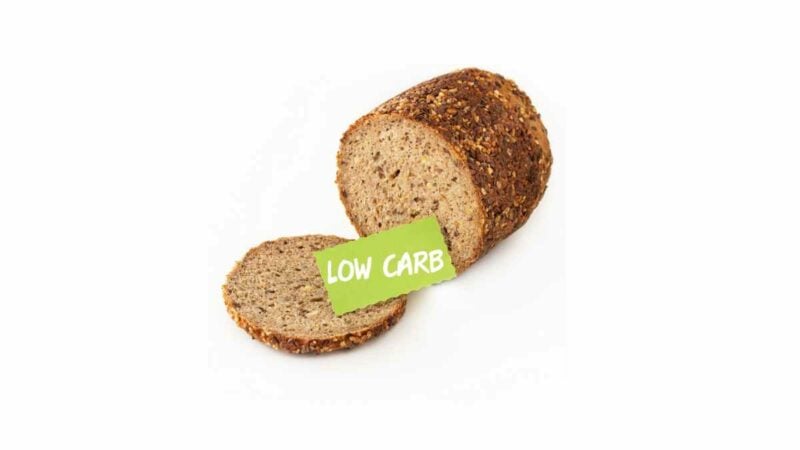
Fortunately, the market has responded to the demand for low-carb alternatives, and several options are now available for keto dieters. These low-carb tortillas are often made from ingredients like almond flour, coconut flour, or even cauliflower, significantly reducing their carbohydrate content. Many of these alternatives can contain as little as 3-5 grams of net carbs per serving, making them more compatible with a ketogenic diet.
When evaluating low-carb tortillas, it is essential to consider the ingredient list. Tortillas made from whole, natural ingredients are preferable, as they typically provide better nutritional value. Additionally, some brands fortify their products with added fiber, which can help improve satiety and digestive health.
Another option gaining popularity is the use of lettuce wraps or other leafy greens as a substitute for traditional tortillas. These alternatives not only cut down on carbs but also add a fresh, crunchy texture to meals. Experimenting with various low-carb options can help individuals find the best fit for their dietary preferences and lifestyle.
However, it is crucial to remain vigilant about portion sizes and overall carbohydrate intake, as even low-carb tortillas can contribute to daily totals if consumed in excess.
The Role of Fiber in Tortillas and Keto Compatibility
Fiber plays a significant role in the keto diet, as it can help to regulate blood sugar levels and enhance digestive health. When considering tortillas, the fiber content can significantly impact their net carb count. Many low-carb tortillas are designed to be high in fiber, which can help offset their carbohydrate content and make them more suitable for keto dieters.
In traditional tortillas, fiber content is relatively low, particularly in flour varieties. Corn tortillas do offer slightly more fiber, but they still fall short of the levels found in many low-carb alternatives. Incorporating high-fiber foods into a ketogenic diet is essential for maintaining digestive health and promoting satiety.
Moreover, the fermentation of fiber-rich foods in the gut can lead to the production of short-chain fatty acids, which have been associated with various health benefits, including improved insulin sensitivity. This makes fiber an essential component for those on a keto diet, as it can help mitigate some of the potential downsides of a high-fat, low-carb eating pattern.
Ultimately, choosing tortillas with higher fiber content can help individuals stay within their carbohydrate limits while still enjoying the versatility of this popular food item.
Practical Tips for Incorporating Tortillas on Keto
For those looking to enjoy tortillas while adhering to a keto diet, moderation and mindful consumption are key. Start by exploring low-carb tortilla options available in stores or online, and read the nutritional labels carefully to ensure they fit within your daily carb allowance. Portion control is especially important, as it’s easy to underestimate the number of tortillas consumed in a meal.
Another practical tip is to use tortillas as a base for nutrient-dense fillings. Opt for high-protein and high-fat ingredients such as grilled chicken, avocado, cheese, and leafy greens. This approach not only enhances the nutritional profile of your meal but also helps to keep you satiated for longer periods.
Consider experimenting with different recipes that incorporate low-carb tortillas. For instance, you can make breakfast burritos, quesadillas, or even tortilla chips for dipping in keto-friendly salsas or guacamole. Creativity in the kitchen can help you enjoy the flavors and textures of tortillas without compromising your dietary goals.
Lastly, always listen to your body and monitor how different tortilla options affect your ketosis. Keeping a food diary can be beneficial in tracking your carbohydrate intake and understanding how various foods impact your overall health and wellness.
Conclusions:
Incorporating tortillas into a ketogenic diet is possible, but it requires careful consideration of the type and quantity consumed. Traditional tortillas are generally high in carbohydrates and may not be suitable for strict keto followers. However, low-carb alternatives made from almond or coconut flour can provide a viable option for those looking to enjoy tortillas without derailing their dietary goals.
Understanding the nutritional composition of tortillas, particularly the role of fiber, can help individuals make informed choices. By practicing moderation and creativity in meal preparation, it is possible to enjoy the versatility of tortillas while maintaining a balanced keto lifestyle.
Read more:
- Keto Diet Basics – A comprehensive overview of the ketogenic diet, its principles, and how it works.
- Understanding Net Carbs – An explanation of net carbs and their significance in a ketogenic diet.
- Low-Carb Tortilla Options – A guide to various low-carb tortilla alternatives available on the market.
- The Importance of Fiber – A scientific article discussing the role of fiber in health and its benefits in a ketogenic diet.
- Creative Keto Recipes – A collection of keto-friendly recipes, including those that incorporate low-carb tortillas.