


Introduction:
The ketogenic diet, commonly known as the keto diet, has gained significant traction among health enthusiasts and individuals seeking weight loss. This dietary approach emphasizes high-fat, moderate-protein, and very low-carbohydrate intake, aiming to shift the body’s metabolism into a state of ketosis. As people explore various food options within this framework, questions arise regarding the compatibility of certain fruits, particularly bananas, with keto guidelines. This article delves into the nutritional profile of bananas, their carbohydrate content, and their potential role in a low-carb diet.
Understanding the Keto Diet: Key Principles and Goals
The ketogenic diet primarily focuses on drastically reducing carbohydrate intake while increasing fat consumption. This macronutrient shift encourages the body to enter a metabolic state known as ketosis, where it begins to burn fat for energy instead of carbohydrates. The typical macronutrient ratio for a standard keto diet is approximately 70-75% fats, 20-25% protein, and only about 5-10% carbohydrates. This dietary strategy has been associated with various health benefits, including weight loss, improved blood sugar control, and enhanced mental clarity.
In addition to weight loss, the keto diet is often employed for therapeutic purposes, particularly for individuals with epilepsy or metabolic disorders. The reduction in carbohydrate intake can lead to lower insulin levels, which may help manage conditions like type 2 diabetes. Furthermore, the high-fat content of the diet can promote satiety, reducing overall calorie intake and aiding in weight management.
However, the keto diet is not without its challenges. Many individuals may find it difficult to adhere to such strict carbohydrate limits, leading to potential nutrient deficiencies if not carefully planned. As a result, understanding which foods fit within the keto framework is crucial for long-term success and health.
When considering fruit consumption on a keto diet, it’s essential to analyze the carbohydrate content of various options. Fruits are generally considered healthy, but their sugar and carbohydrate levels can vary significantly, impacting their suitability for those following a ketogenic lifestyle.
Nutritional Profile of Bananas: Carbs, Fiber, and Sugars
Bananas are often celebrated for their nutritional benefits, being rich in vitamins and minerals such as potassium, vitamin C, and vitamin B6. However, when assessing their compatibility with a ketogenic diet, the focus shifts primarily to their carbohydrate content. A medium-sized banana typically contains about 27 grams of carbohydrates, including approximately 14 grams of sugar and 3 grams of dietary fiber.
The fiber content in bananas contributes to their overall carbohydrate count but is also beneficial for digestive health. Fiber can help regulate blood sugar levels and promote feelings of fullness, which may be advantageous for those seeking to manage their weight. However, the net carbs—total carbohydrates minus fiber—remain significant, making bananas a challenging choice for strict keto dieters.
Moreover, the natural sugars found in bananas, primarily fructose, can lead to rapid spikes in blood glucose levels. For individuals on a ketogenic diet, maintaining stable blood sugar levels is crucial to avoid hindering the state of ketosis. Therefore, while bananas offer nutritional benefits, their high carbohydrate and sugar content raises concerns regarding their inclusion in a low-carb diet.
In summary, while bananas are nutritious, their carbohydrate profile poses challenges for those adhering to strict keto guidelines. Understanding the balance between their health benefits and carbohydrate content is essential for individuals navigating the complexities of the ketogenic diet.
Ketogenic Diet Restrictions: Analyzing Carbohydrate Limits
A fundamental aspect of the ketogenic diet is the strict limitation on carbohydrate intake. Most keto practitioners aim to consume between 20 to 50 grams of net carbohydrates per day to maintain ketosis. This restriction necessitates careful consideration of all food choices, including fruits, which can easily contribute substantial amounts of carbohydrates.
Given that a medium banana contains around 27 grams of carbohydrates, consuming even a single banana could potentially exceed the daily carbohydrate limit for many individuals on a keto diet. This makes bananas one of the less favorable fruit options for those who are strictly monitoring their carb intake. In contrast, other fruits, such as berries, are lower in carbohydrates and can be consumed in moderation without disrupting ketosis.
Furthermore, the timing of carbohydrate intake can also play a role in a ketogenic diet. Some individuals may choose to allocate their carbohydrate allowance to more nutrient-dense foods or lower-carb fruits, thereby avoiding higher-carb options like bananas. This strategic approach allows for greater flexibility while still adhering to the core principles of the diet.
In conclusion, the carbohydrate restrictions inherent in the ketogenic diet significantly limit the consumption of bananas. While they may be enjoyed on occasion, their high carb content necessitates careful planning and consideration to avoid exceeding daily limits.
Bananas vs. Other Fruits: A Comparative Analysis
When evaluating the suitability of bananas within a ketogenic diet, it is essential to compare them with other fruits that are lower in carbohydrates. For instance, berries such as strawberries, raspberries, and blackberries are often favored in keto diets due to their lower sugar content and higher fiber content. A cup of raspberries contains only about 7 grams of carbohydrates, making them a more viable option for those looking to maintain ketosis.
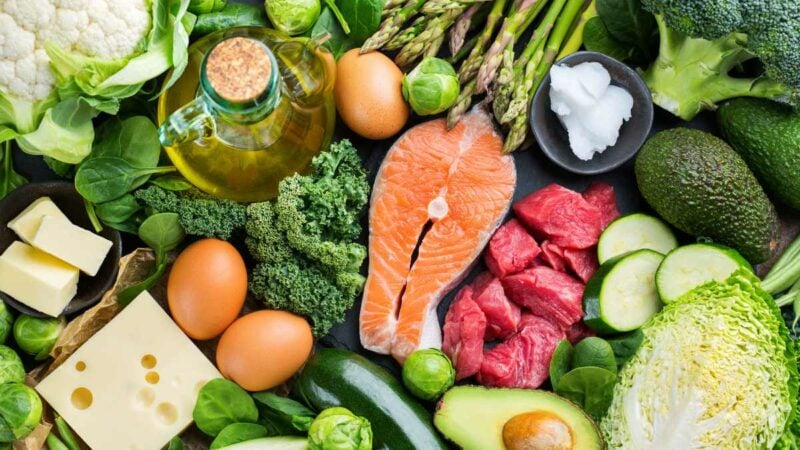
Additionally, avocados, while technically a fruit, are highly regarded in the keto community for their healthy fats and minimal carbohydrate content. A whole avocado contains approximately 12 grams of carbohydrates, but with a significant amount of fiber, the net carbs are considerably lower. This makes avocados an excellent choice for keto dieters seeking to incorporate fruit into their meals without compromising their carbohydrate limits.
Coconuts are another fruit that aligns well with the ketogenic diet. Coconut meat is rich in healthy fats and contains only about 6 grams of carbohydrates per 100 grams, making it a suitable alternative for those looking for a satisfying, low-carb fruit option. By incorporating these lower-carb fruits into their diet, individuals can enjoy the benefits of fruit without jeopardizing their state of ketosis.
In summary, while bananas are a popular fruit with numerous health benefits, their carbohydrate content makes them less compatible with a ketogenic diet compared to other fruit options. By opting for lower-carb fruits, individuals can maintain their dietary goals while still enjoying the flavors and nutrients that fruits provide.
Potential Benefits of Bananas in a Low-Carb Diet
Despite their higher carbohydrate content, bananas may still offer certain benefits for individuals following a low-carb diet, particularly when consumed in moderation. For instance, bananas are an excellent source of potassium, an essential mineral that plays a crucial role in maintaining proper muscle function, nerve signaling, and fluid balance. This can be particularly beneficial for those on a ketogenic diet, as the initial stages of ketosis can lead to electrolyte imbalances.
Moreover, bananas contain a unique type of fiber known as resistant starch, which can support digestive health and promote feelings of fullness. This fiber is particularly beneficial for gut health, as it acts as a prebiotic, feeding the beneficial bacteria in the gut. While the amount of resistant starch varies depending on the ripeness of the banana, incorporating small amounts of bananas into a low-carb diet may provide some digestive benefits.
Additionally, the natural sugars in bananas can serve as a quick source of energy, which may be advantageous for athletes or individuals engaging in high-intensity workouts. Consuming a small portion of banana before or after exercise can help replenish glycogen stores and provide a quick energy boost, making it a practical choice for those with active lifestyles.
In conclusion, while bananas may not be the most keto-friendly fruit option, they do offer certain nutritional benefits that can be advantageous in a low-carb diet. Moderation and careful planning are key to incorporating them into a ketogenic lifestyle without exceeding carbohydrate limits.
Conclusions: Are Bananas Compatible with Keto Guidelines?
In summary, the compatibility of bananas with ketogenic guidelines is a nuanced topic. While bananas provide a wealth of vitamins, minerals, and dietary fiber, their high carbohydrate content poses challenges for those strictly adhering to a keto diet. With a medium banana containing approximately 27 grams of carbohydrates, it can easily exceed the daily carbohydrate allowance for many individuals on a ketogenic regimen.
When considering fruit options on a keto diet, lower-carb alternatives such as berries and avocados are generally more favorable. However, bananas can still be enjoyed in moderation, particularly for those who engage in higher levels of physical activity or require additional potassium in their diet. Ultimately, the decision to include bananas should be based on individual dietary goals, activity levels, and personal preferences.
For those who wish to maintain a strict ketogenic lifestyle, it may be wise to limit banana consumption or reserve it for special occasions. By understanding the nutritional profile of bananas and their potential impact on carbohydrate intake, individuals can make informed choices that align with their health goals.
Read more:
- Keto Diet Basics – A comprehensive overview of the ketogenic diet, its principles, and benefits.
- Nutritional Information on Bananas – Detailed nutritional breakdown of bananas from the USDA FoodData Central.
- Comparative Carbohydrate Content of Fruits – A study analyzing the carbohydrate content of various fruits and their suitability for low-carb diets.
- Benefits of Resistant Starch – An article discussing the health benefits of resistant starch found in certain fruits, including bananas.
- Electrolytes and the Keto Diet – Information on the importance of electrolytes in a ketogenic diet and how to maintain balance.