

Introduction:
The ketogenic diet, commonly referred to as the keto diet, has gained immense popularity in recent years due to its potential benefits for weight loss and overall health. This low-carbohydrate, high-fat diet encourages the body to enter a state of ketosis, where it burns fat for fuel instead of carbohydrates. However, adhering to the keto diet requires a keen understanding of which foods are compatible with its principles. This article will explore the foods that should be avoided to maintain ketosis effectively, ensuring that individuals can achieve their dietary goals without unnecessary setbacks.
Understanding the Basics of the Keto Diet and Its Restrictions
The keto diet primarily focuses on drastically reducing carbohydrate intake while increasing fat consumption. This macronutrient shift forces the body to rely on fat stores for energy, leading to the production of ketones. To successfully enter and maintain ketosis, it is crucial to keep carbohydrate intake typically below 20-50 grams per day. This restriction means that many common foods, particularly those high in carbohydrates, must be eliminated from the diet.
Adopting a keto lifestyle requires careful planning and a thorough understanding of food labels. Many foods that seem healthy can contain hidden carbohydrates. For example, certain fruits, grains, and even some dairy products can contribute to carbohydrate intake in significant amounts. Therefore, individuals must be vigilant about their food choices to avoid inadvertently exceeding their carb limits.
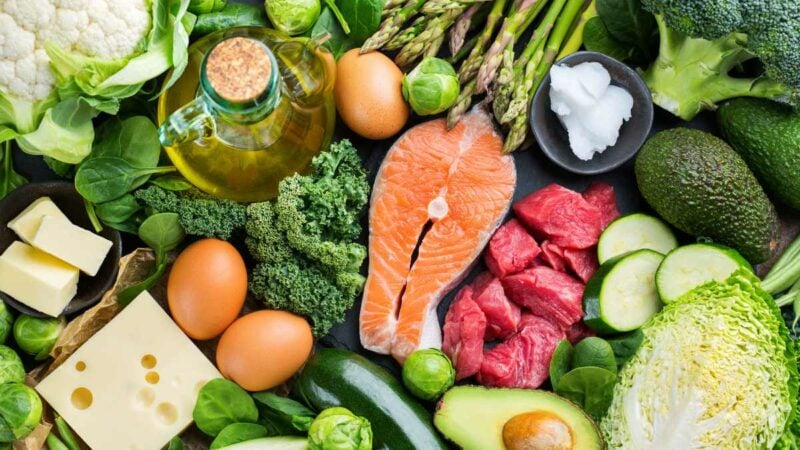
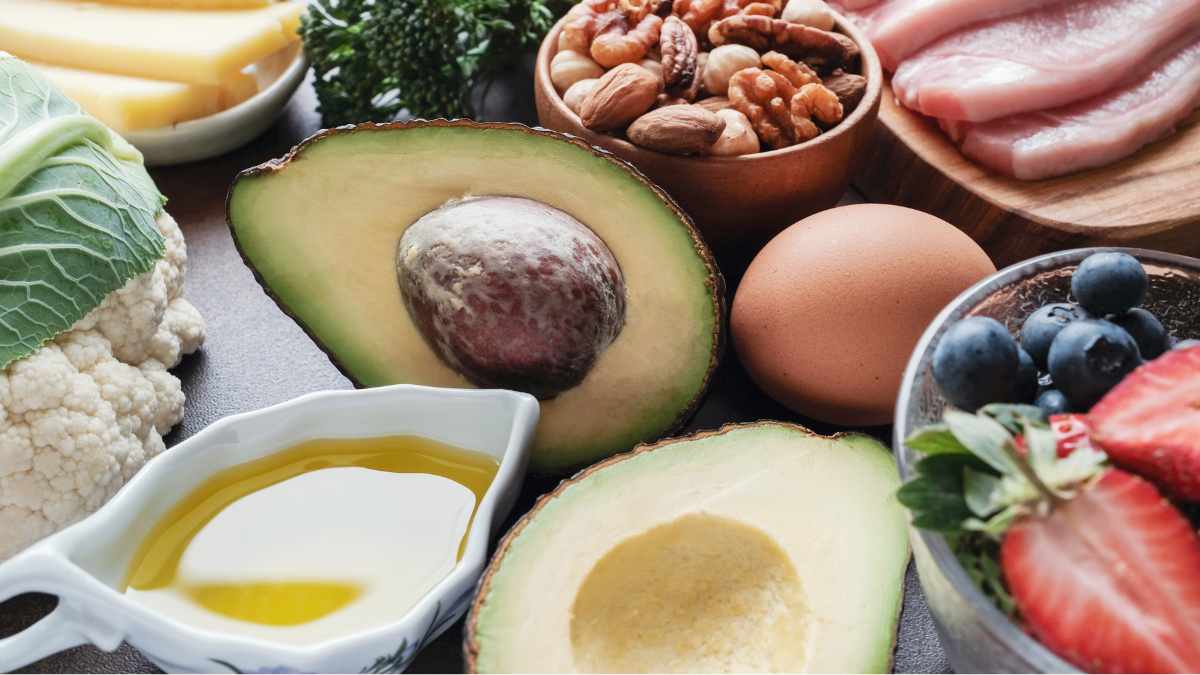
Moreover, the keto diet is not just about cutting carbs; it also emphasizes the importance of healthy fats. Incorporating sources of unsaturated fats, such as avocados and olive oil, while avoiding trans fats found in processed foods, is essential. This balance helps to ensure that the body receives adequate nutrition while remaining in a state of ketosis.
Understanding these foundational principles is vital for anyone embarking on a keto journey. By recognizing the importance of carbohydrate restriction and the types of fats to include, individuals can better navigate their food choices. This knowledge sets the stage for identifying specific foods that should be avoided to maintain ketosis effectively.
High-Carbohydrate Foods That Disrupt Ketosis Effectively
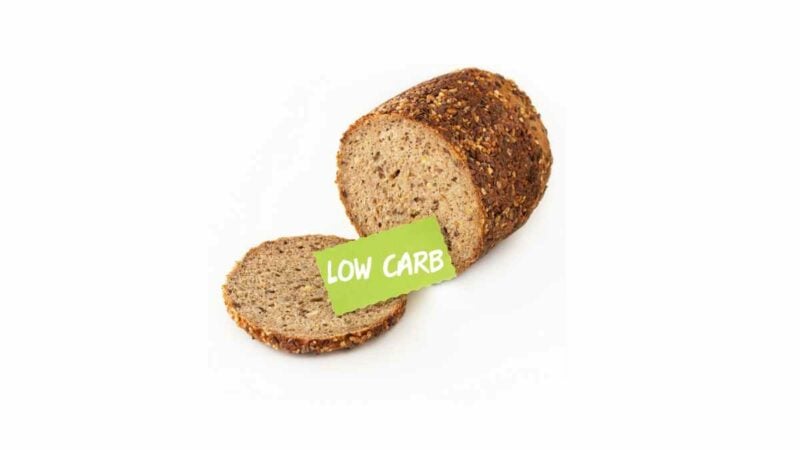
One of the most significant categories of foods to avoid on a keto diet is high-carbohydrate items. Foods such as bread, pasta, rice, and cereals are staples in many diets but are detrimental to maintaining ketosis. These foods are rich in carbohydrates that can quickly elevate blood sugar levels, causing the body to revert to burning glucose instead of fat.
In addition to grains, many processed snacks and convenience foods are often loaded with hidden sugars and carbohydrates. Items like granola bars, crackers, and certain protein bars can contain more carbs than one might expect. It is essential to read labels carefully and be aware of the carbohydrate content in these seemingly innocent snacks.
Fruits, while often considered healthy, can also pose a challenge for those on a keto diet. Most fruits, especially tropical varieties like bananas, grapes, and pineapples, are high in natural sugars. While berries can be consumed in moderation due to their lower carbohydrate content, it is crucial to limit fruit intake to avoid exceeding daily carb limits.
Ultimately, avoiding high-carbohydrate foods is fundamental for anyone following a ketogenic diet. By steering clear of grains, processed snacks, and high-sugar fruits, individuals can better maintain their state of ketosis and achieve their dietary goals.
Sugary Snacks and Desserts to Avoid on a Keto Plan
Sugary snacks and desserts are another category that must be eliminated from a keto diet. Traditional sweets, candies, cakes, and pastries are often loaded with sugar and refined carbohydrates. These foods not only spike blood sugar levels but also provide little nutritional value, making them detrimental to overall health.
Many people may be tempted to indulge in sugar-free alternatives, but it is essential to be cautious. Sugar substitutes like maltitol and other sugar alcohols can still impact blood sugar levels and may contain hidden carbs. Therefore, it’s advisable to read labels and choose sweeteners that are truly keto-friendly, such as stevia or erythritol.
In addition to candies and baked goods, many popular snack foods, such as flavored yogurts and granola, can also contain significant amounts of sugar. These products may seem healthy at first glance, but they often contain added sugars that can disrupt ketosis. Opting for plain, full-fat yogurt and checking ingredient lists can help individuals stay on track.
Avoiding sugary snacks and desserts is crucial for maintaining ketosis. By eliminating these high-sugar foods and being mindful of sugar substitutes, individuals can support their keto journey and enjoy a more balanced diet.
Starchy Vegetables That Can Sabotage Your Keto Goals
While vegetables are an essential part of a healthy diet, not all are suitable for a ketogenic lifestyle. Starchy vegetables, such as potatoes, corn, and peas, are high in carbohydrates and can quickly derail ketosis. These vegetables contain significant amounts of starch, which the body converts into glucose, hindering the fat-burning process.
Even some seemingly healthy options like sweet potatoes and butternut squash should be approached with caution. Although they are packed with nutrients, their carbohydrate content can be too high for those strictly adhering to a keto diet. Instead, individuals should focus on low-carb vegetables such as leafy greens, zucchini, and cauliflower, which provide essential vitamins and minerals without the excessive carbs.
It is also important to consider how vegetables are prepared. Fried or breaded vegetables, for instance, can introduce additional carbohydrates through coatings or batters. Opting for steamed, roasted, or sautéed preparations can help keep carb counts low while still enjoying a variety of flavors and textures.
In summary, starchy vegetables can significantly impact ketosis and should be limited or avoided. By choosing low-carb alternatives and being mindful of preparation methods, individuals can enjoy the health benefits of vegetables without compromising their keto goals.
Processed Foods and Their Hidden Carbohydrate Content
Processed foods are often a hidden source of carbohydrates that can sabotage a ketogenic diet. Many packaged foods, including sauces, dressings, and ready-to-eat meals, contain added sugars and refined carbohydrates. These hidden carbs can add up quickly, making it challenging to stay within the daily carbohydrate limit.
For example, many popular condiments like ketchup and barbecue sauce are loaded with sugar. Even salad dressings can contain hidden sugars, making it essential to opt for homemade or low-carb versions. Reading ingredient labels is crucial for identifying these hidden carbohydrates and making informed choices.
Additionally, processed meats can also be problematic. Items like deli meats, sausages, and bacon may contain fillers and sugars that increase their carbohydrate content. Choosing high-quality, minimally processed options can help ensure that carb intake remains low while still enjoying protein-rich foods.
Ultimately, avoiding processed foods is a key strategy for maintaining ketosis. By focusing on whole, unprocessed foods and being vigilant about reading labels, individuals can better control their carbohydrate intake and support their keto journey.
Alcoholic Beverages: Which Ones to Steer Clear Of on Keto
Alcohol can be tricky on a ketogenic diet, as many alcoholic beverages are high in carbohydrates. Beer, for instance, is notorious for its high carb content, often containing more carbs than a slice of bread. This makes it one of the first drinks to eliminate for those looking to maintain ketosis.
Wines can also vary significantly in carbohydrate content. While dry wines generally have lower carb counts, sweet wines and dessert wines can be packed with sugar. It is advisable to opt for dry red or white wines in moderation, as they tend to have fewer carbs compared to their sweeter counterparts.
Spirits like vodka, gin, and whiskey can be lower in carbs, but the mixers often used with them can add significant amounts of sugar. Sodas, fruit juices, and sweetened mixers should be avoided to keep carb intake in check. Instead, consider using soda water or low-carb mixers to maintain a keto-friendly beverage.
In conclusion, being mindful of alcoholic beverages is essential for anyone following a ketogenic diet. By avoiding high-carb beers, sweet wines, and sugary mixers, individuals can enjoy social occasions without compromising their dietary goals.
Conclusions:
Navigating a ketogenic diet requires a thorough understanding of which foods to avoid to maintain ketosis effectively. By steering clear of high-carbohydrate foods, sugary snacks, starchy vegetables, processed items, and certain alcoholic beverages, individuals can better support their health and weight loss goals. With careful planning and informed choices, adhering to a keto lifestyle can be both achievable and rewarding.
Read more:
- Keto Diet Basics – An overview of the ketogenic diet, its principles, and how it works.
- Foods to Avoid on Keto – A comprehensive list of foods to avoid while following a keto diet.
- Understanding Carbohydrates – A detailed explanation of carbohydrates and their impact on health.
- Keto-Friendly Alcohol Choices – A guide to navigating alcohol consumption on a ketogenic diet.
- The Role of Vegetables in Keto – A resource on which vegetables are suitable for a keto diet and which to avoid.